

Maintaining the cleanliness of a nectar collector goes beyond hygiene– it is vital for performance. For those wondering how to clean a nectar collector, look no further; this guide offers all the answers. We’ll cover cleaning tips for every type of nectar collector– including glass and silicone models– as well as rinsing, drying, and reassembly advice.
Even if you've never given your nectar collector a deep clean before, by the time you finish reading this article, you'll know exactly how to keep it spotless so that each use is as safe and smooth as possible!
Different Types Of Nectar Collectors
There are several types of nectar collectors available. Understanding every single type is essential for determining the appropriate cleaning techniques and maintenance for each type, as they vary in material composition, heating tip design, and overall functionality. Have a look!
By Material
Glass nectar collectors — offer a clean flavor but are fragile.
Silicone nectar collectors — very durable, great for traveling. A popular option is the White Rhino Quartz V1 Dab Straw.
Hybrid nectar collectors — combine the benefits from various materials.
By Tip/Heating Element
Quartz tips — heat up quickly and provide great flavor, such as the Hillside Glass Quartz Tips 19mm.
Titanium tips — extremely durable, hold heat for a long time. Example: Hillside Glass Titanium Tips 10mm.
Ceramic tips — offer smooth, even heating.
By Functionality
Dry nectar collectors — do not use water filtration.
Water/bubbler collectors — provide smoother, cooler hits; for instance, the Cookies Bayside Series 510.
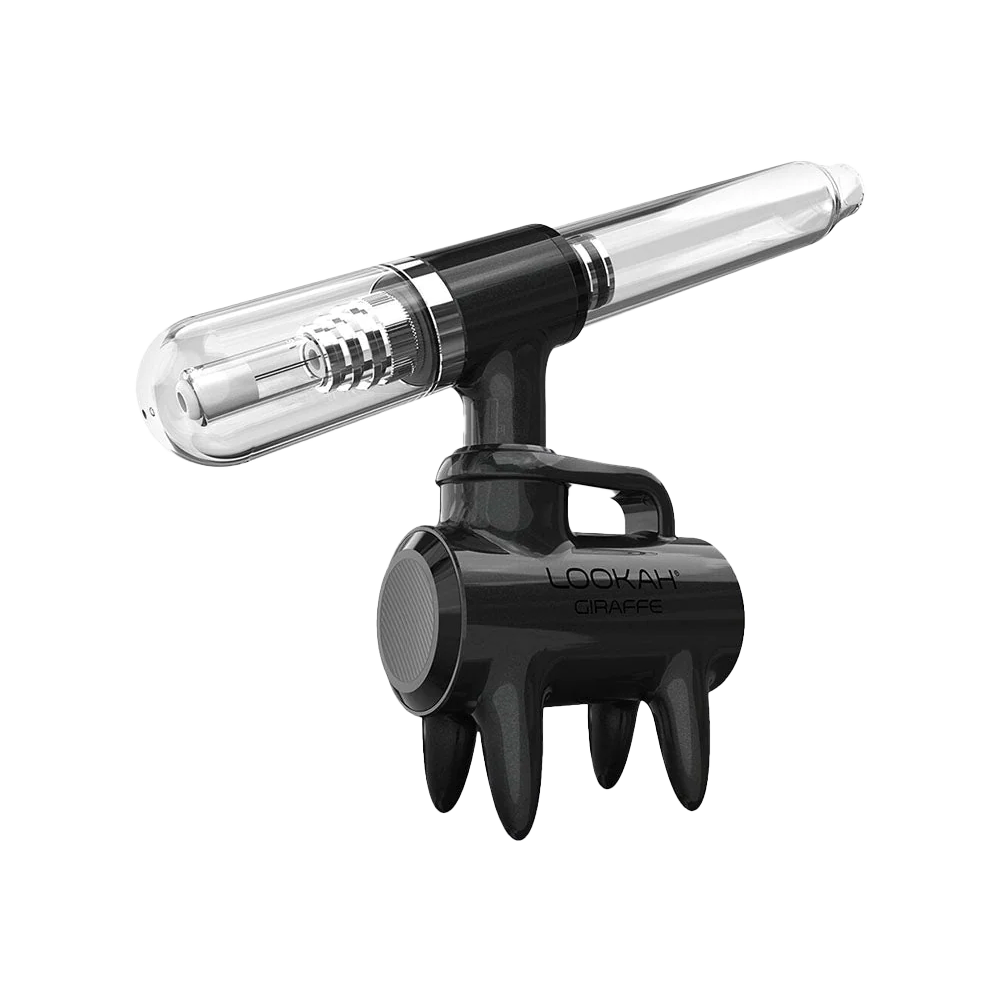
Electric (E-straw) collectors — require no torch, temperature-controlled. Example: Lookah Giraffe 650mAh Electric Nectar Collector Kit.
Each type gives you a slightly different dabbing experience and needs its own cleaning method.
How To Clean A Glass Nectar Collector?
It is not complex to clean a nectar collector (glass body) if you use the correct materials and follow the instructions properly. Here's how to clean a nectar collector glass.
1. First, take the nectar collector apart
Carefully remove the glass joint, body, and tip. Remove any silicone components and wash them separately in warm, soapy water.
2. Rinse off the glass pieces
Hold each piece under warm running water. This helps loosen fresh residue and flush out anything that isn't completely stuck.
3. Make the cleaning solution
Put the glass parts into a container you can seal or a bag. Add enough isopropyl alcohol (90% or higher) to cover them; then toss in some kosher salt for scrubbing.
4. Shake and soak
Allow the pieces to soak for at least 30 minutes. Occasionally, shake the container so that the salt may scrub off any tough deposits.
5. Scrub and give it another rinse
In case there’s still some residue left, try using cotton buds or pipe cleaners for a deeper clean. Remember to wash thoroughly with warm water to remove any alcohol and salt remnants.
Note: The best way to clean a nectar collector can vary depending on its material and design.
How To Clean A Silicone Nectar Collector?
Follow these instructions:
1. Disassemble the collector
So separate the mouthpiece, silicone body, and heating tip. Different materials need different cleaning methods.
2. Clean the silicone body
Just freeze the silicone. The leftover residue gets hard and brittle. Then you can just bend or squish it gently to get the gunk off. For any bits that are really stuck on, use a dab tool to remove them.
Put it in boiling water for about 5–10 minutes. Then scrub it right away, while it’s still warm, with soapy water.
Just wash it using warm water and mild dish soap. A brush or pipe cleaner helps get rid of the residue.
3. Clean the heating tip
Titanium tips you can just heat up and scrape clean. If you have glass or quartz tips, soak them in isopropyl alcohol or boiling water.
4. Rinse thoroughly
Finally, give all parts a good rinse under warm running water. This gets off soap, debris, and any loose bits of residue.
Cleaning Methods For Rest Nectar Collector Types
Depending on what they're made of, nectar collectors require different cleaning techniques. Some materials may be damaged by certain cleaners– or vice versa. The table below shows the best ways to clean each part/nectar collector type.
Nectar Collector Type / Component | Material | Recommended Cleaning Method(s) |
Quartz Tips | Quartz (Glass) | Soak in 90%+ isopropyl alcohol & salt OR soak in boiling water |
Titanium Tips | Titanium (Metal) | Heat cleaning with a torch to burn off residue; avoid alcohol soaks |
Ceramic Tips | Ceramic | Soak gently in 90%+ isopropyl alcohol OR soak in boiling water |
Hybrid Nectar Collectors | Mixed (Silicone & Glass) | Disassemble and clean each part using its material-specific method (alcohol for glass, freezing/soap for silicone) |
Dry Nectar Collectors | Glass or Silicone | Follow the standard method for its primary material (alcohol for glass, freezing/soap for silicone) |
Water/Bubbler Collectors | Glass or Silicone | Follow the standard material method; ensure thorough rinsing of the water chamber |
Electric (E-straw) Collectors | Mixed (Electronic core, tip, sometimes glass bubbler) | Never submerge the electronic core; clean removable tips/glass parts with material-specific methods; wipe the core’s air path with a damp alcohol swab |
How To Rinse & Dry Your Nectar Collector?
The steps for rinsing and drying a nectar collector are straightforward and apply universally to all types and materials.
Rinsing:
After you are done cleaning, make sure all your cleaning supplies are washed off. This includes items like salt and alcohol, as well as any dissolved residue. Be sure to rinse the inside thoroughly too– especially if it has complicated shapes or narrow chambers. Water should flow through these areas until you’re certain there is no longer any solution left inside.
Note: If you own an electric nectar collector, just remember not to run water over the battery core; focus on cleaning only detachable components.
Drying:
Make sure all parts are fully air-dried on a clean towel or drying rack. If there is water in hard-to-reach places, you can remove it with paper towels or cotton swabs. Also, check that the electronic core is free of moisture before reassembling the device.
How To Reassemble Your Nectar Collector?
Once all parts are completely dry, reassembling your nectar collector is a simple matter of putting everything back in place— and this process works for all types: glass, silicone, hybrid, and even electric models.
Begin by making sure that the heating tip– whether titanium, quartz, or ceramic– fits snugly into the joint on the main body.
For hybrids or bubblers, slide any silicone seals or glass pieces back into place inside the main chassis; just be sure everything fits snugly so there are no air leaks or spills. If your model uses a keck clip to hold the tip, pop it back on now. Finally, fit the mouthpiece to the opposite end of the body.
For electric models, screw the coil in place and slide the mouthpiece onto the battery, making sure all contact points are clean and dry.
The main idea is making sure every joint fits tightly and securely; this ensures the device functions well and the experience stays safe.
Final Thoughts on "How To Clean A Nectar Collector"
Cleaning your nectar collector goes beyond just good hygiene. It has an additional perk: ensuring that every hit is tasty and smooth, as well as extending the life of the piece. Whether glass, silicone, or a hybrid of the two materials, using the correct methods for cleaning– and then rinsing and drying– will make each session both safe and more enjoyable.
For any extras needed along the way, Durity Distribution is worth a stop. Here you’ll find top-quality nectar collectors from trusted brands such as Lookah, Hillside Glass, Cookies, among others, if you are looking for a replacement.
FAQs
1. How to clean a glass dab straw?
You should soak it in 90%+ isopropyl alcohol with coarse salt– give it a gentle shake and maybe use pipe cleaners for stubborn bits. Rinse everything away with warm water afterwards.
2. How to clean a nectar collector glass part without damaging it?
Cleaning can be tough! But soaking in isopropyl alcohol & coarse salt works well. Just make sure you are gentle when scrubbing them with cotton swabs or pipe cleaners afterwards– then rinse thoroughly.
3. How to get wax out of a nectar collector?
4. How often should you clean a nectar collector?
The answer depends on your personal usage habits- though it should be done regularly so the device works well, tastes good, and stays hygienic.
5. What are the signs I need to clean my pipe?
Reduced airflow, a harsher taste, visible residue buildup, discoloration, or sticky residue– these all hint that it’s time for a proper cleaning.