
 What Is Detox Shampoo?
A detox shampoo is designed to deeply cleanse the scalp and hair by removing excess oil, styling-product residue, mineral deposits, and environmental buildup that regular shampoo may leave behind.
But how does it work, when should it be used, and how is it different from clarifying shampoo? In this guide, we’ll discuss what is detox shampoo in detail and explain what to consider when choosing a suitable formula for your hair. Let’s get started.
Quick Facts 🧴 Deep cleanse: Removes excess oil, styling residue, mineral deposits, and environmental buildup. 🔍 Not always the same as clarifying shampoo: Some detox formulas contain chelating ingredients that target hard-water minerals and metal deposits. 📅 Occasional use: Most formulas are designed for periodic use rather than every wash. ⚠️ Avoid overuse: Using detox shampoo too often may leave hair feeling dry, rough, or brittle. 💧 Condition afterward: Follow with a suitable conditioner to restore moisture and improve manageability. |
Table Of Contents:
What Is Detox Shampoo And What Does It Really Mean?
What Is Detox Shampoo Used For?
What Are The Essential Ingredients In A Detox Shampoo?
How Does Detox Shampoo Work?
What Is The Difference Between Detox And Clarifying Shampoo?
How Often Should You Use Detox Shampoo?
How To Choose The Best Detox Shampoo
Frequently Asked Questions
Key Takeaways
What Is Detox Shampoo And What Does It Really Mean?
The word ‘detox’ may sound dramatic, but detox shampoo does not perform a medical detox or remove toxins from inside the body.
In hair care, it usually refers to a deeper, occasional cleanse that targets buildup regular shampoo may leave behind, including:
Product residue
Excess oil and scalp debris
Environmental buildup
Hard-water minerals
In simple terms, detox shampoo works like a reset wash for the scalp and hair.
What Is Detox Shampoo Used For?
A detox shampoo may be good for users looking to:
Remove hard-water mineral deposits: Chelating formulas can help lift calcium, magnesium, and other mineral residue that may leave hair looking dull or feeling rough.
Strip stubborn product buildup: It can remove layers of silicone, wax, dry shampoo, hairspray, and styling polymers.
Refresh oily-looking roots: A deeper cleanse helps remove excess sebum, sweat, and accumulated scalp debris.
Reduce a coated or heavy feeling: Clearing residue can leave the hair feeling lighter and easier to style.
Improve shine and manageability: Removing surface buildup may help hair look smoother and reflect light more evenly.
Help other products spread more evenly: Conditioners, masks, and styling products may distribute better when they are not applied over old residue.
What Is a Detox Shampoo Not Designed to Do?
A detox shampoo should not be expected to:
Detoxify the body
Treat a medical scalp condition
Permanently repair damaged hair
Stimulate hair growth
Replace dermatologist-recommended scalp treatments
Note: Its main purpose is to cleanse the scalp and hair surface, not provide medical or biological treatment.
Signs You May Need A Detox Shampoo
—----------------------------------------------------------- Note: Persistent itching, flaking, irritation, or hair loss may require professional advice. |
What Are the Essential Ingredients in a Detox Shampoo?
Detox shampoos usually combine cleansing, mineral-removing, exfoliating, and conditioning ingredients.
Chelating Agents
Ingredients such as disodium EDTA, tetrasodium EDTA, and sodium phytate bind to hard-water minerals and metal deposits so they can be rinsed from the hair.
Deep-Cleansing Surfactants
Cleansers such as sodium C14-16 olefin sulfonate help lift oil and product residue. Cocamidopropyl betaine is often included to balance stronger cleansing ingredients.
Absorbents and Exfoliants
Activated charcoal and clay help absorb surface oil, while apple cider vinegar and salicylic acid may help loosen accumulated residue and scalp flakes.
Conditioning and Botanical Ingredients
Ingredients such as panthenol, aloe vera, and glycerin can help reduce dryness and improve manageability after deep cleansing.
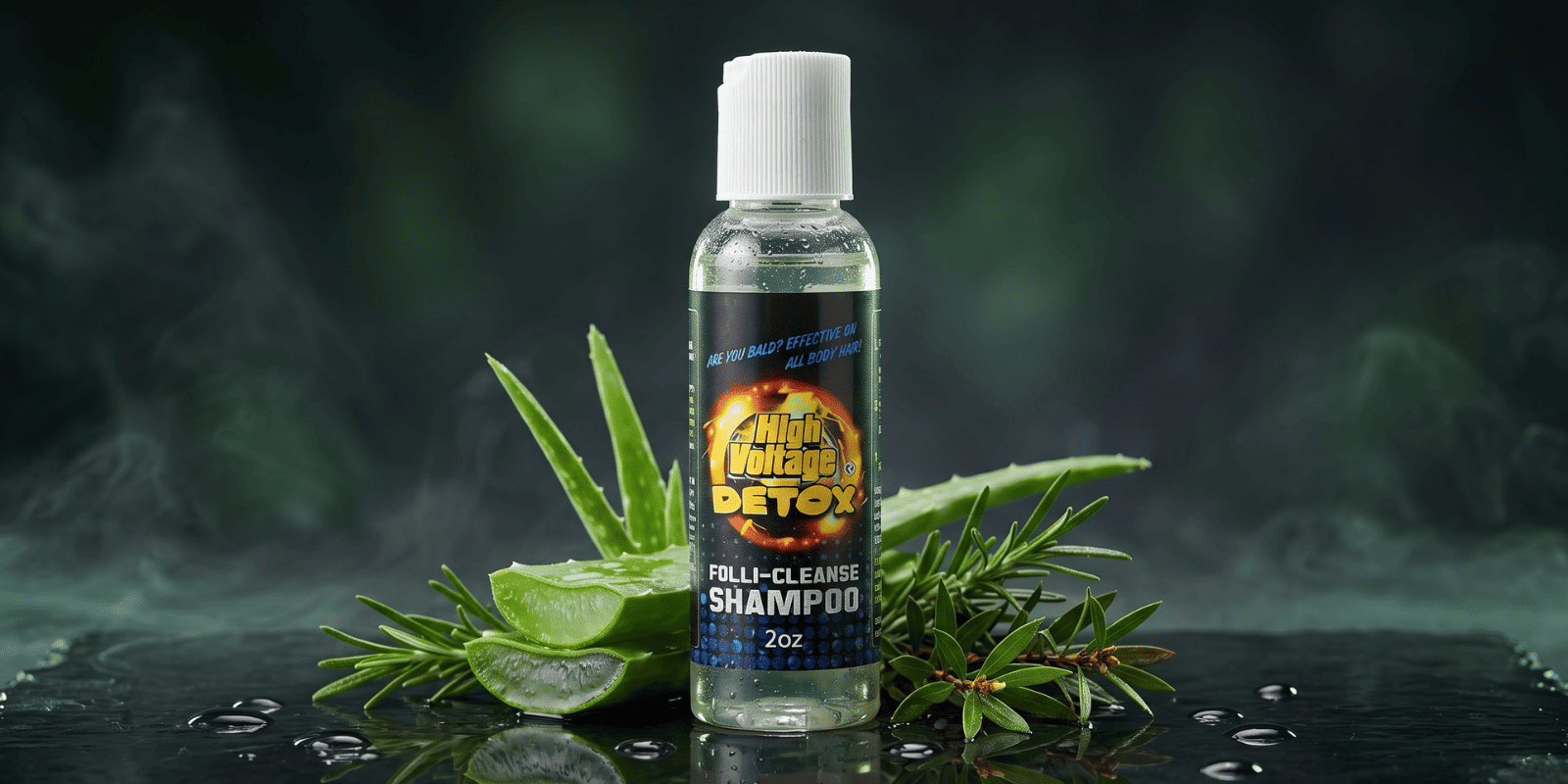
Some formulas also include botanical ingredients. For example, High Voltage Detox Folli-Cleanse Shampoo features aloe vera, rosemary extract, tea tree oil, citric acid, and plant extracts.
Note: Not every detox shampoo contains all these ingredient groups. Check the formula rather than relying only on the word “detox” on the label.
✍️ Also Read:
High Voltage Detox Shampoo Reviews
How Does Detox Shampoo Work?
Detox shampoo removes buildup in three main steps:
Cleansing agents break down oil and product residue on the scalp and hair.
Chelating ingredients bind to mineral deposits such as calcium, magnesium, copper, and iron.
Water rinses the loosened residue away, leaving the scalp and hair more thoroughly cleansed.
Because detox shampoo provides a stronger cleanse than regular shampoo, it can also remove some natural oils. Using it too often may leave the hair dry, rough, or tangled.
How To Use Detox Shampoo Correctly
|
What Is The Difference Between Detox And Clarifying Shampoo?
Although the two terms are often used interchangeably, the real difference depends on the formula, the type of buildup it targets, and whether it contains ingredients designed to remove mineral deposits.
Feature | Detox Shampoo | Clarifying Shampoo |
Main purpose | Broad reset cleanse that may also target minerals | Intensive removal of oil and styling-product residue |
Mineral removal | May contain chelating ingredients | Only if specifically formulated as a chelating shampoo |
Typical use | Periodic scalp and hair reset | Occasional intensive cleansing |
Formula strength | Varies from gentle to intensive | Often stronger than everyday shampoo |
Best choice depends on | Ingredients and hair concern | Ingredients and level of buildup |
How Often Should You Use Detox Shampoo?
How often you use detox shampoo depends on your hair type, scalp oiliness, styling habits, and exposure to hard water, chlorine, or pollution.
Recommended Frequency | Best Suited For |
Once a week | Heavy users of dry shampoo, gels, waxes, or silicone-based products; very oily scalps; regular swimmers |
Every 2 to 4 weeks | Normal hair types; people living in hard-water areas; frequent exposure to pollution or moderate product buildup |
Once a month or less | Dry, damaged, coarse, curly, or coily hair that is more prone to moisture loss |
💡 Tip: Reduce the frequency if your hair starts to feel dry, rough, brittle, or difficult to manage. Always follow the product directions.
How To Choose The Best Detox Shampoo
If you are wondering what is the best detox shampoo, use this checklist to compare formulas and choose a suitable option:
Oily scalp: Look for salicylic acid, activated charcoal, or tea tree oil.
Dry or damaged hair: Choose sulfate-free, creamy, or conditioning formulas.
Color-treated hair: Check for ‘color-safe’ or ‘non-stripping’ on the label.
Product buildup: Use a clarifying formula for silicones, waxes, and styling residue.
Hard-water minerals: Choose a chelating shampoo with citric acid or phytic acid.
Frequently Asked Questions
1. How to use detox shampoo without over-drying your hair?
Use detox shampoo once a week or every two weeks, depending on your hair type. Focus the lather mainly on the scalp, rinse with lukewarm water, and always follow with a deep conditioner or hydrating mask to restore moisture.
2. Can detox shampoo improve how other hair products work?
Yes. By removing product buildup and mineral deposits, detox shampoo can help conditioners, masks, and styling products spread more evenly across the hair. It does not make products inherently stronger, but it may help them perform better on cleaner strands.
3. Does detox shampoo work for hair follicle tests?
Detox shampoo cleans the scalp and outer surface of the hair. Hair tests, however, analyze compounds embedded within the hair shaft as it grows. Because shampoo does not reliably reach or remove material stored inside the hair cortex, it should not be considered a proven way to alter hair test results.
4. What should buyers look for in a detox shampoo label?
Buyers should look for a formula and product claims built around one clear purpose, such as removing product buildup, cleansing oily scalp residue, targeting hard-water minerals, or providing a deeper scalp cleanse, rather than relying only on the word ‘detox.’
5. Is detox shampoo the same as a scalp scrub?
No. Detox shampoo cleans with surfactants and, in some formulas, chelating ingredients. A scalp scrub uses physical or chemical exfoliation to loosen flakes and surface debris. Some routines use both, but combining them may irritate a sensitive scalp.
6. Can you use detox shampoo after swimming?
Yes. A chelating detox shampoo can help remove chlorine-related residue and mineral deposits left on the hair after swimming. Check the label to confirm that the formula is designed for mineral or pool-water buildup.
7. Can detox shampoo fade hair color?
Yes, some strong cleansing formulas may cause color to fade more quickly. People with dyed hair should choose a product specifically labeled color-safe and avoid using it more often than directed.
Key Takeaways
Detox shampoo provides a deeper cleanse than regular shampoo.
It helps remove product residue, excess oil, environmental debris, and some mineral deposits.
Chelating agents, surfactants, exfoliants, and conditioning ingredients each serve a different purpose.
Detox and clarifying shampoos can overlap, so the ingredient list matters more than the label alone.
Most formulas are best used occasionally rather than with every wash.
Overuse may leave hair feeling dry, rough, or tangled.
Conditioner or a hydrating mask should be used after cleansing.
Choose a formula based on the type of buildup you want to address.
Disclaimer: This article is for general informational purposes only and does not replace professional medical or dermatological advice. Hair and scalp needs vary, and some detox shampoos may cause dryness, irritation, or color fading. Always follow the product label, perform a patch test when appropriate, and consult a dermatologist for persistent scalp concerns, hair loss, or irritation.